



They/Them
I have 15+ years experience in Human Factors research, design, and development and am passionate about making people's lives easier through intuitive and accessible software. I am currently a Faculty Specialist in User Experience and Human Factors at the University of Maryland and enrolled in the Human-Centered Computing Master's program at UMBC. (est. completion 2029)
I am 1/2 of Rainleaf Studio, an illustration and design studio co-run with my spouse Patrick Waugh.
Case Studies
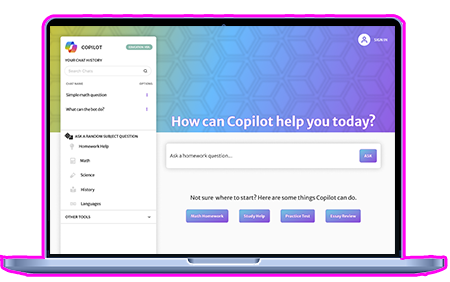
Microsoft Copilot
Redesign and Usability study for Microsoft Copilot.

Zara
Usability improvement concepts for Zara.com.
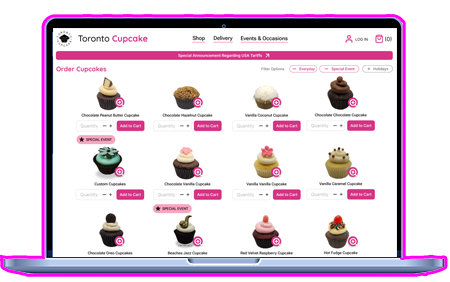
Toronto Cupcakes
Homepage design improvements for Toronto Cupcakes.
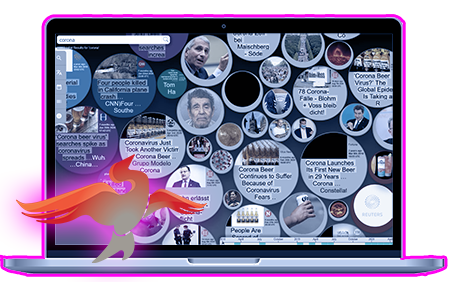
Ascender AI
Branding and Conceptual models for Ascender AI, a visual data exploration tool.
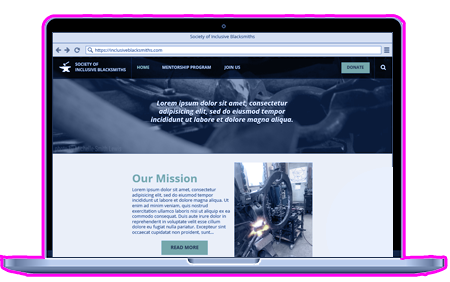
Society of Inclusive Blacksmiths
Information hierarchy & usability redesign concepts for a community's web presence.
My Process
1
Gather Requirements
I gather UX requirements by working closely with stakeholders to understand project goals, user needs, and technical constraints. Through methods such as user interviews, workshops, and analysis of existing workflows, I identify key usability challenges and opportunities for improvement. These insights are translated into clear UX requirements that guide design decisions and ensure the final product supports both user needs and business objectives.
2
Analyze and Ideate
After system requirements and user needs are defined, I work closely with stakeholders, end users, and development teams to analyze resesarch data and begin the design process. I create low fidelity wireframes to ideate on different concepts, communicating with the developers on what is technically feasible, and compromise with stakeholders for the best user experience. At this stage I may engage users in participatory design sessions and rapid prototyping with the engineers.
3
Testing and Evaluation
Testing and evaluation are used to ensure the design effectively supports user needs and project goals. I conduct usability testing, gather user feedback, and analyze task success, pain points, and behavioral patterns to identify areas for improvement. The findings are then synthesized into actionable insights that guide iterative design updates and help refine the overall user experience.



Companies I Have Supported